Schools Reconciliation Challenge Finalists
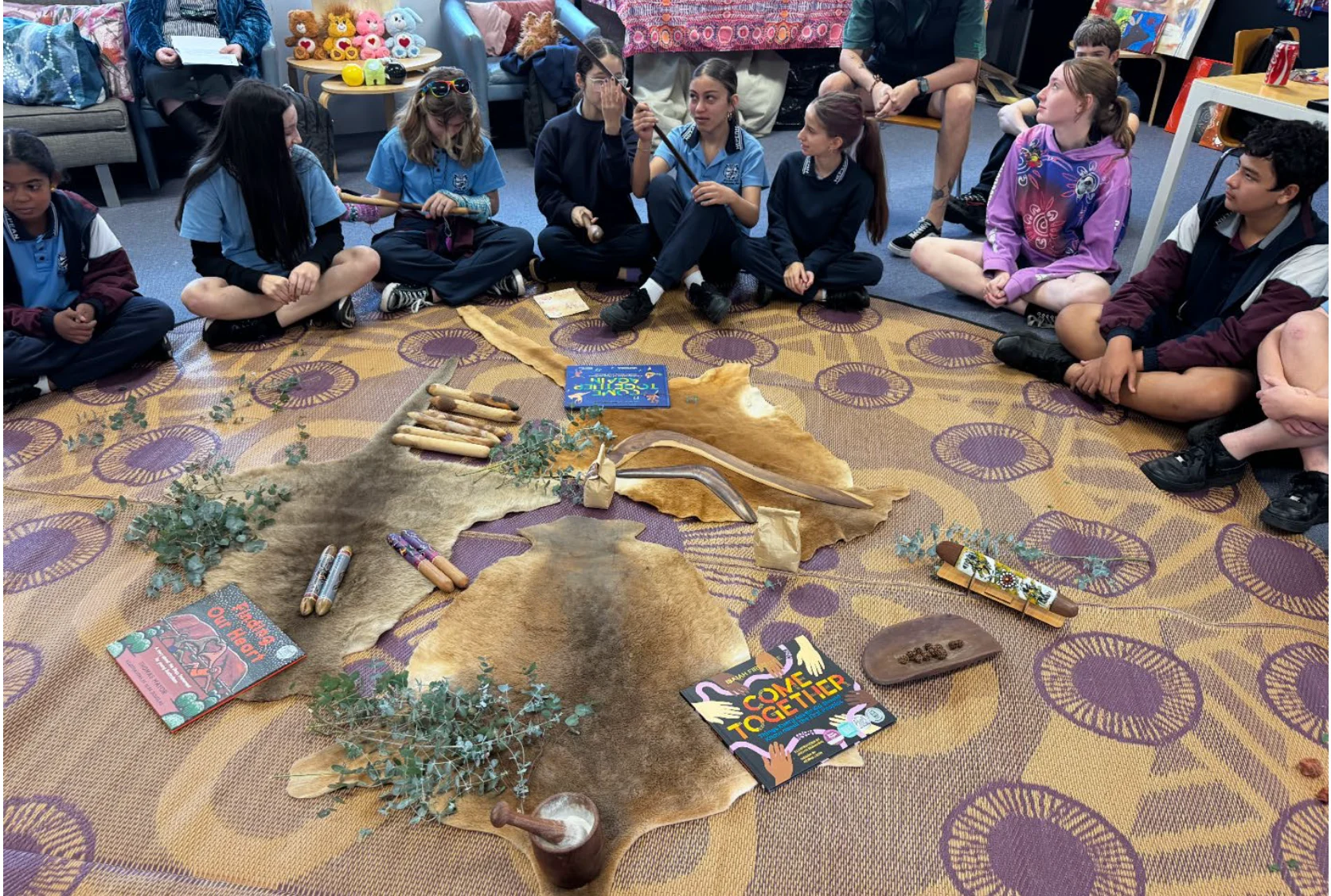
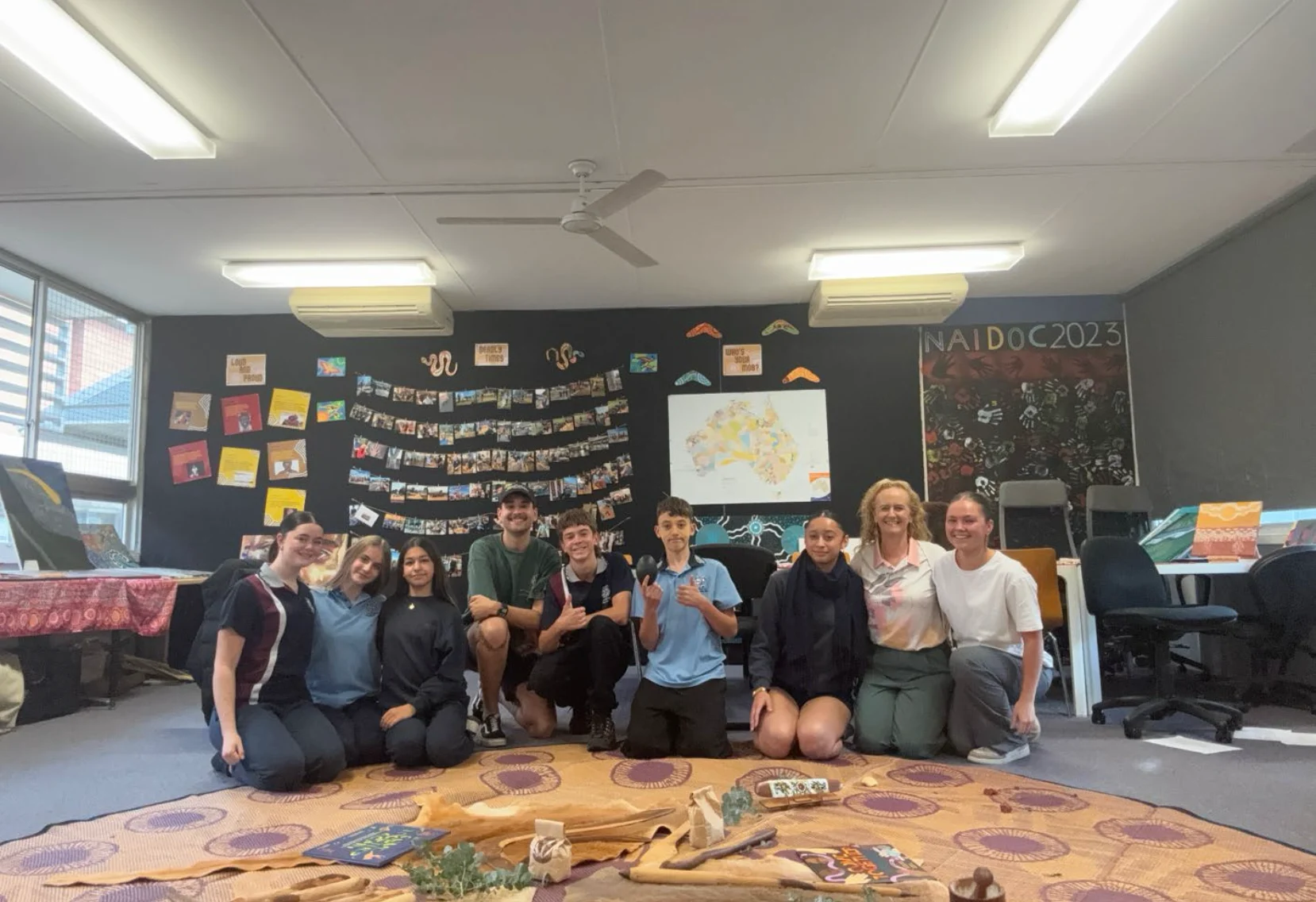
Find Out More: J1 Aboriginal Education Room
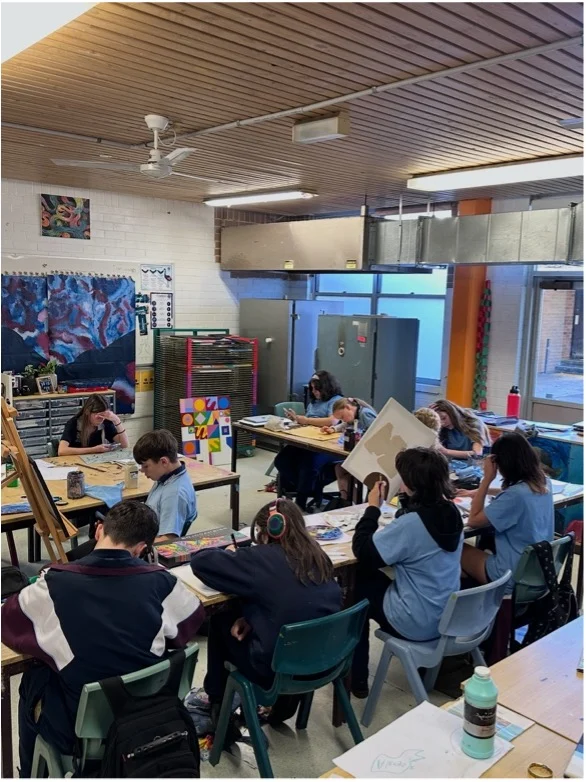
Aboriginal Education Room (J1)
Nepean Creative and Performing Arts High School
Carly McCoy De St Germain
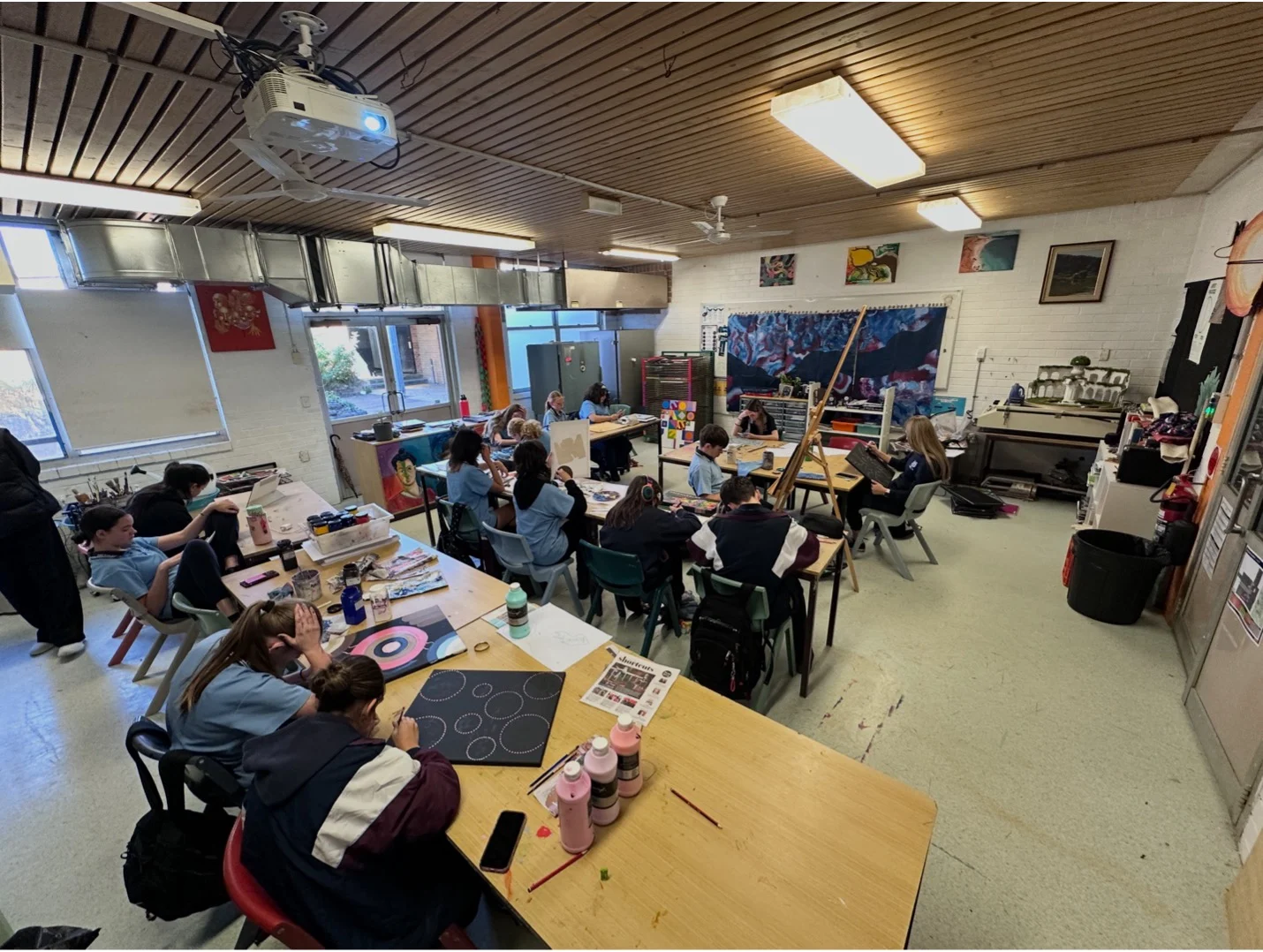
Find Out More: Reconciliation Program
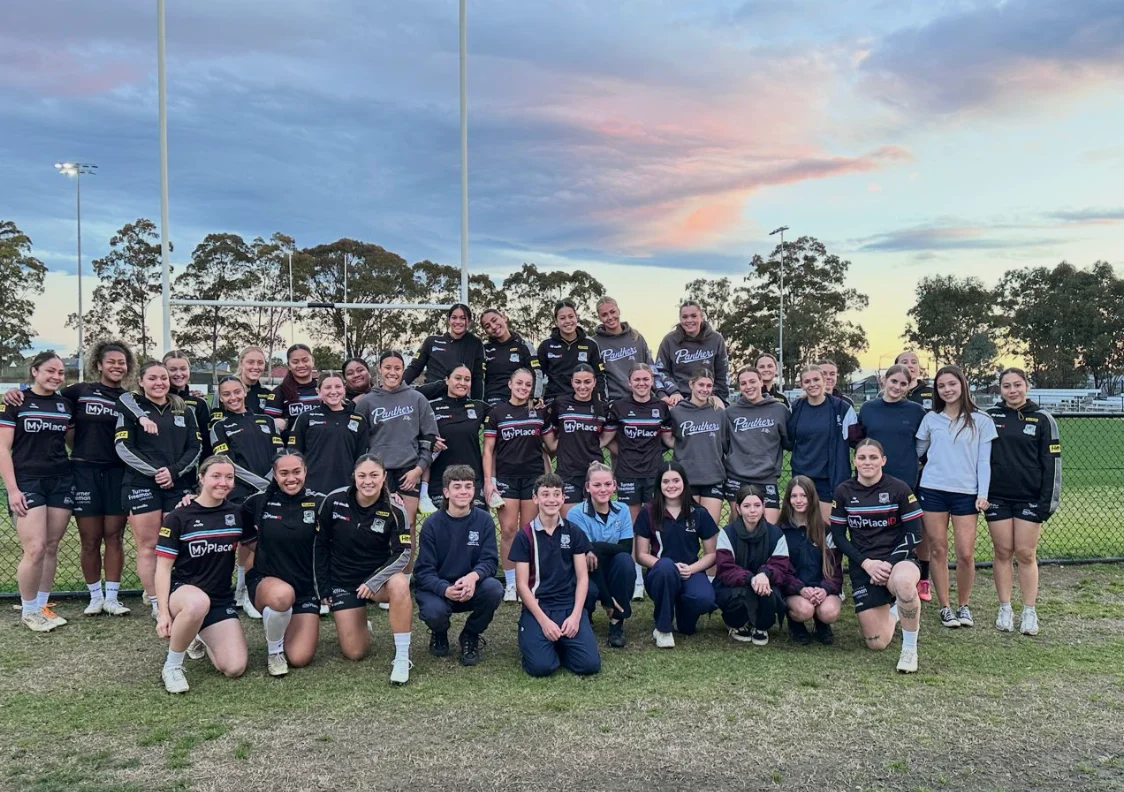
Reconciliation Program
Nepean Creative and Performing Arts High School
Cameron Letta
-
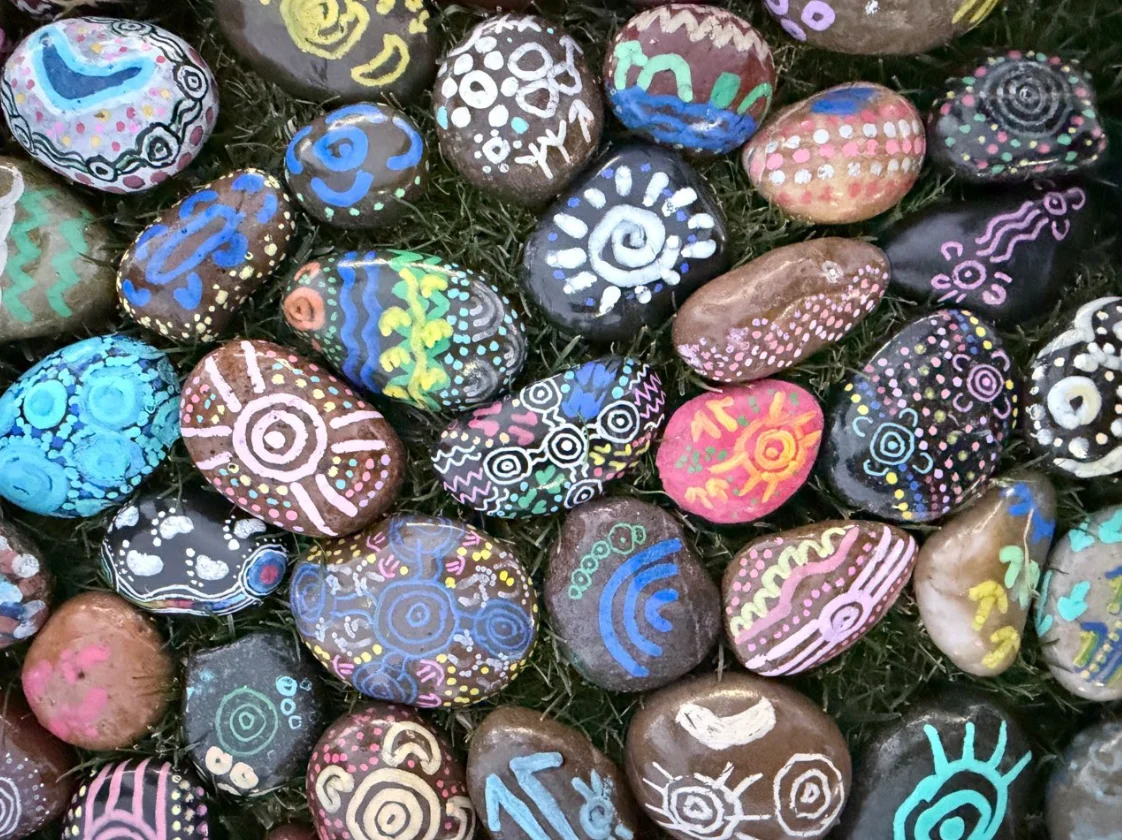
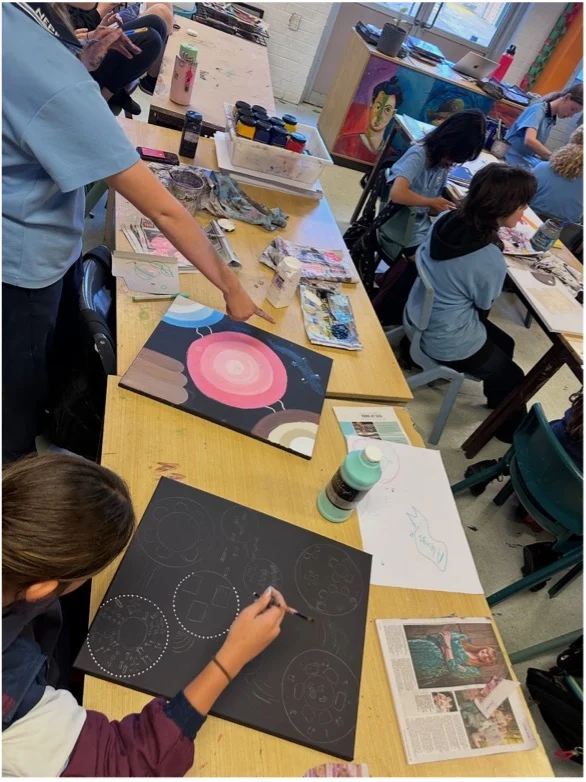
Deadly Arts
Nepean Creative and Performing Arts High School
Aboriginal Education Team
Find Out More: From Connection to Action
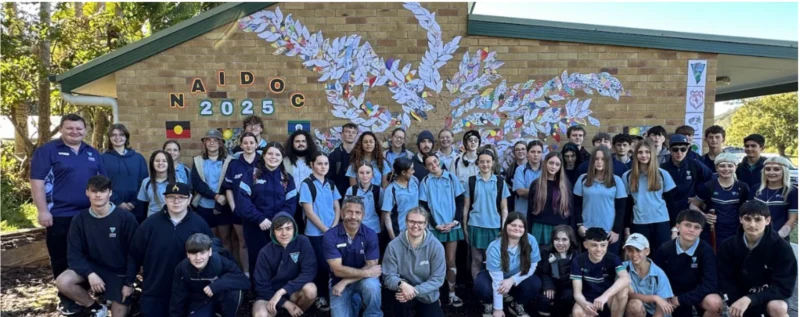
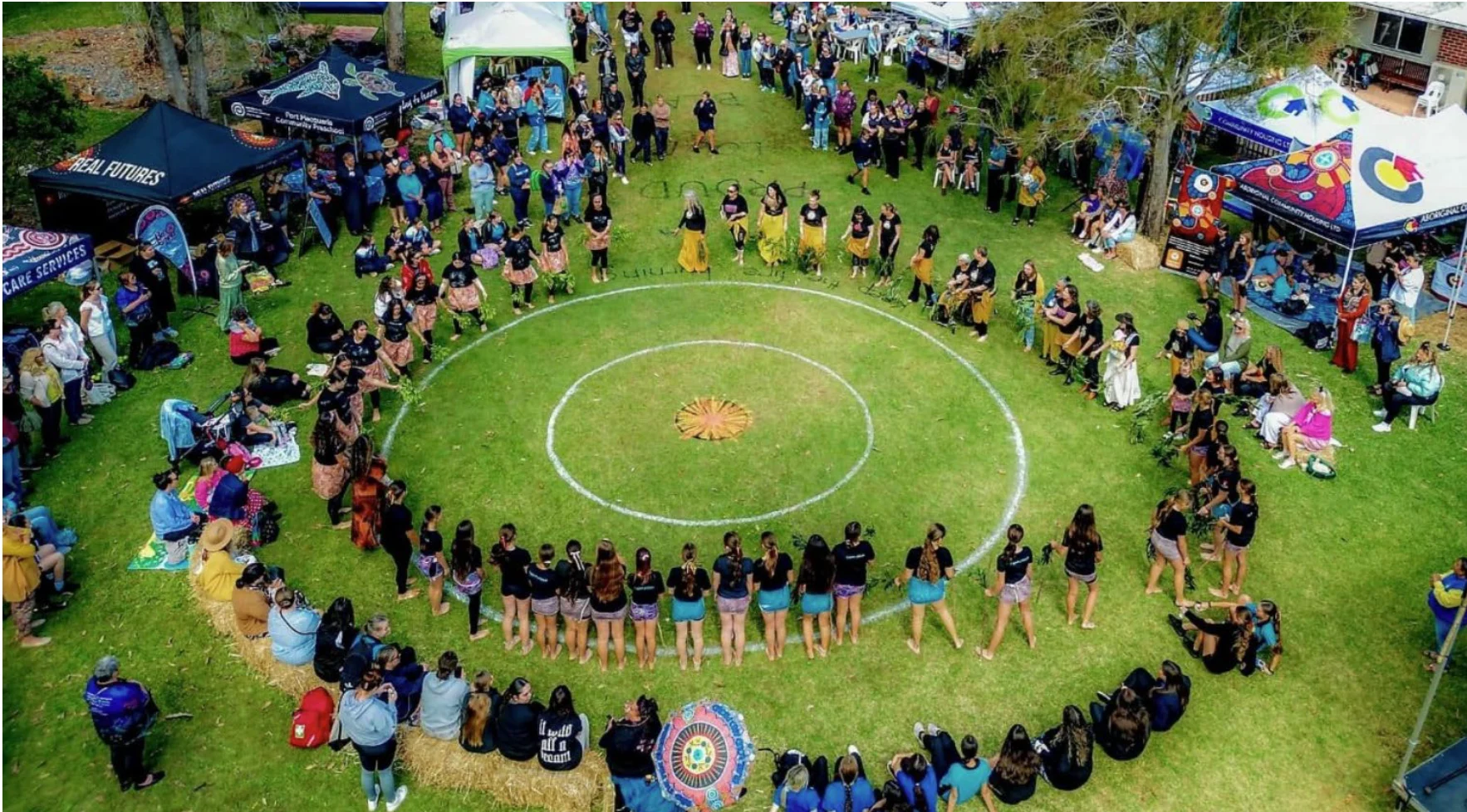
From Connection to Action
Reconciliation in Practice on Birpai Country
Kimberley Gilbert
-
We once looked away —
Ignored what they could not change:
Their skin colour,
Their traditions,
Their language.

Then we said we’d changed.
We let them work,
But paid them less.
Gave them food,
But only what was given.

Work was offered without worth.
What was deserved was denied.
Children taken.
Opportunities withheld.
A chance never truly offered.
Time moved on, but the weight remained.

This was their land — land that was stolen.
So now we take this time to say sorry.
To show younger generations,
To show that we stand as one nation.

Let us reconcile with what has happened.
From now on, there is no halfway —
Only we, as Australians, all in.

Because our skin may differ,
Our traditions may differ,
But on the inside, we are the same.
And on this Earth, choosing unity is the win.
From Wounds To Wings
Riverbank Public School
Maya V. (year 5-6)
The midday sun hung like a roaring campfire in the sky, turning the red desert sand into a scorching furnace. Kaelen dragged his feet behind his family, each step heavier than the last. His throat burned, and his tongue felt like sandpaper. For weeks, drought had gripped the region. Every waterhole they knew had dried up, leaving only cracked mud and the bleaching bones of desert animals. Beside him, Elder Jarmbi stopped and stared towards the shimmering horizon. Around them, the younger children slumped into the dust, too exhausted to continue.
“Are we lost, Uncle?” Kaelen whispered.
Jarmbi looked down at him with calm, wise eyes. “We belong to this darra—this land, ” he said. “The land knows our footprints, and we know its paths. Don’t only look with your eyes. Listen. Feel. ”
Jarmbi closed his eyes and breathed slowly. Kaelen did the same. At first, he noticed only the overwhelming heat. Then he felt the wind brush his face and caught the sharp scent of eucalyptus drifting across the dunes. Beneath his feet, he imagined a steady rhythm in the ground, like distant clapsticks or the heartbeat of his ancestors who had crossed these ridges for thousands of years. His panic faded. He was not lost. He belonged here. Suddenly, hundreds of emerald-green budgerigars burst from the spinifex. Chattering loudly, they swept towards a hidden dip between two dunes. Jarmbi smiled and pointed with his digging stick. “There is ngadyung—water—over there. The birds are showing us the way. ”
Hope surged through the group. They hurried towards jagged sandstone rocks rising from the sand. At the lowest point, Kaelen dropped to his knees and began digging. The sand burned his hands, but he refused to stop. Suddenly, his fingers touched something cold and wet.
“Mud!” he cried. “I found it!”
Clear water bubbled into the hole, sparkling beneath the sun. Everyone cheered, drinking deeply and splashing their faces. They were safe. The land had cared for them.
While the others rested, Jarmbi began rolling flat stones towards the pool. “We found water for today, ” he explained, “but we must build for tomorrow. Our grandchildren will need this water too. ” Kaelen understood. Finding the spring had saved them, but protecting it would save others.
Together, the group lined the hole with stones to stop sand from collapsing into it. They built a strong roof over the spring, shading it from the sun and protecting it from animals.
As night fell, countless stars filled the sky. Kaelen admired their stonework and smiled. By trusting ancient knowledge, they had survived today. By caring for the land together, they had protected tomorrow.
The Land Knows The Way
Surveyors Creek Public School
Wynter A. (year 5-6)
This is us,
nothing amazing,
nothing extraordinary and definitely not perfect
but us.
A bunch of people making their way through life.
We all have friends as well,
not too many
not too little
and not too kind at times,
But they’re our friends.
They’re the people that we relied on,
the people there in our hardest moments
And the people we learn to forgive
But we’re all meeting tomorrow,
In one big park,
to get to know each other.
this isn’t a bad thing though,
but an opportunity to achieve something great,
a chance to see each other and connect.
A chance to apologies for our mistakes,
a chance to make up to some people,
people that you may have wronged.
I’m looking forward to seeing you,
have a great time my friend.
Tell me when you show,
I’ll save you a spot at my area,
even if you find somewhere else
you’ll always be appreciated no matter what
all that matters is you have a good time
I’ll see you later, friend
and oh wait, bring the ice.
The Connection Between Humans
Jewells Primary School
Baden H. (year 5-6)
Sorry.
Sorry.
Sorry.
That’s all they hear.
Words without meaning.
We apologise.
But for what?
Do you even know what you're apologising for?
One word
The same word
On the street
On a bus
In a shopping centre.
But how many times is this word actually meaningful?
One of 10?
One of a hundred?
One of thousands?
Does it matter if we apologise if our actions do not do the same?
Maybe we should look where it all started
Let our roots run deep and look to each other for answers, a way forward.
Looking back, but not for reasons to
Hurt,
Annoy
Blame
Looking for reasons to
Learn
Grow
Change
Restore.
We have a chance
A slither of hope
A small blueprint that could build a skyscraper that towers above the ununited ones.
We can build it up if we give it the right care and the right treatment
Thank you.
Thank you.
Thank you.
That's what we hear for our actions.Words with meaning.
Words that can only happen when two words happen.
All In.
Words With Meaning
Jewells Primary School
David B. (year 5-6)
BESIDE is a difficult word.
It represents both conformity and duality;
it represents those we choose to stand with,
those we choose to love,
and those the world inevitably excludes.
For centuries, First Nations peoples lived and worked in a relationship with country:
the smell of Eucalyptus lingering,
the sweet taste of wild berries from the bush, gathered with care,
never taking more than what was needed,
forming a reciprocal respect with each step.
And then they came.
BELONG is a difficult word.
It represents both connection and identity;
it represents those who know who they are,
those whose identities are yet to be discovered,
and those who may never know, fully, where they come from.
In 1788, January 26th took on a different weight.
The British raised their guns, their flags, claiming victory.
And then, later, they took the children away.
Screams of fear where joy should've lived,
new names embroidered on their clothing,
a paper heart, fragile, still beating, lost to dirt and grime,
dreaming of a home far, far away.
But perhaps the most difficult word of all is RECONCILIATION.
An apology or acknowledgement cannot erase the past,
like how a scar does not fade overnight.
It is a promise:
A promise to learn, to change,
and to listen to voices ordered to stay quiet long ago.
The future remains unwritten, but no one should hold the pen alone.
Australia has always been First Nations peoples’ land.
It always will be.
A paper heart continues to beat faintly in the background,
Waiting to see how we'll build tomorrow, together.
The Most Difficult Word
Campbelltown Performing Arts High School
Indy M. (year 7-8)