Advancing Reconciliation Across NSW

At Reconciliation NSW, we connect, educate, and inspire communities
to advance reconciliation in NSW and build a more just and equitable future.

Who We Are

Reconciliation NSW is the peak body for advancing reconciliation in NSW. We connect individuals, schools, communities and organisations with the knowledge, resources and support needed to build a just, equitable and reconciled Australia.

Who We Are

Reconciliation NSW is the peak body for advancing reconciliation in New South Wales. We connect individuals, schools, communities and organisations with the knowledge, resources and support needed to build a just, equitable and reconciled Australia.

What We Do

Our purpose is to empower communities across the state to engage meaningfully in reconciliation in NSW through truth-telling, education, and collaboration.
White handshake icon on a symbolizing agreement or partnership. The image conveys a sense of cooperation and trust.

SUPPORT

  • Connect individuals with resources
  • Support Local Reconciliation Groups
  • Partner with schools and community organisations
  • Advocate for reconciliation in policy
Icon of a person reading to three others, with stars above. Conveys learning, teaching, and inspiration.

EDUCATE

  • Build cultural competence
  • Provide resources and curriculum tools
  • Run school programs like the Schools Reconciliation Challenge
A white light bulb icon centered symbolizing ideas and creativity. The design is simple and modern.

INSPIRE

  • Engage Parliament through events
  • Encourage dialogue on racism
  • Promote truth-telling and constitutional
    reform

White handshake icon on a symbolizing agreement or partnership. The image conveys a sense of cooperation and trust.

SUPPORT

  • Connect individuals with resources
  • Support Local Reconciliation Groups
  • Partner with schools and community organisations
  • Advocate for reconciliation in policy
Icon of a person reading to three others, with stars above. Conveys learning, teaching, and inspiration.

EDUCATE

  • Build cultural competence
  • Provide resources and curriculum tools
  • Run school programs like the Schools Reconciliation Challenge

A white light bulb icon symbolizing ideas and creativity. The design is simple and modern.

INSPIRE

  • Engage Parliament through events
  • Encourage dialogue on racism
  • Promote truth-telling and constitutional reform

Australian Reconciliation Network

Reconciliation NSW logo
Reconciliation Victoria logo
Reconciliation SA logo
Reconciliation WA logo
Reconciliation QLD logo
Reconciliation Tasmania logo
Reconciliation Australia logo
Reconciliation NSW logo
Reconciliation Victoria logo
Reconciliation SA logo
Reconciliation WA logo
Reconciliation QLD logo
Reconciliation Tasmania logo
Reconciliation Australia logo

Our Purpose

At Reconciliation NSW, our vision is a reconciled, just, and equitable community for Aboriginal and Torres Strait Islander peoples and all Australians in NSW. We lead, educate, and inspire people across the state to actively engage in reconciliation.
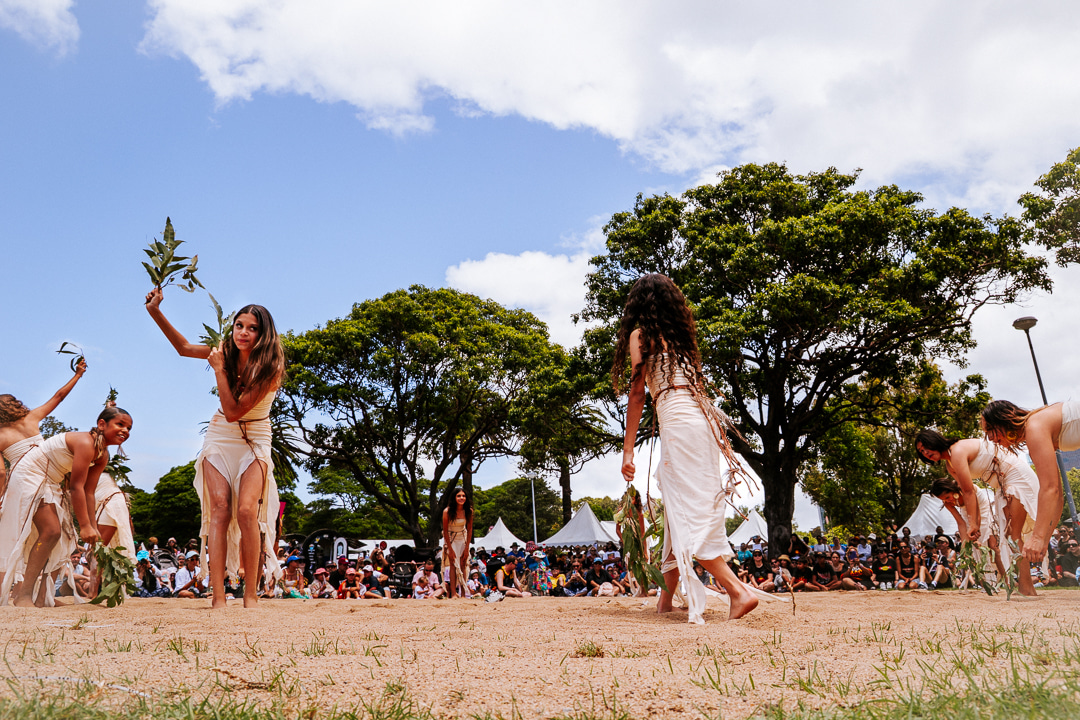
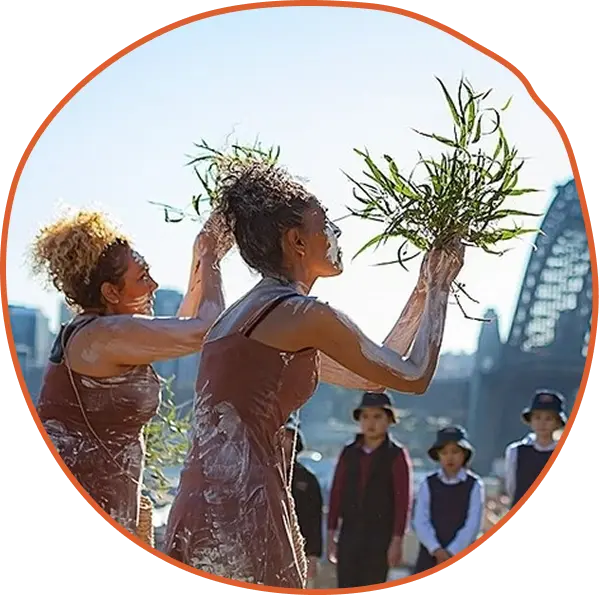
Dancers in traditional attire perform with leaves in a sunny park, surrounded by a large audience and trees. The scene is vibrant and cultural.

First Peoples First

First Peoples First

We believe Aboriginal and Torres Strait Islander peoples hold a unique place as the First Peoples
of this land.

We believe Aboriginal and Torres Strait Islander peoples hold a unique place as the First Peoples
of this land.

Truth and Justice

Truth and Justice

Reconciliation begins with recognising the dispossession, persecution, and oppression caused by colonisation in NSW.
Reconciliation begins with recognising the dispossession, persecution, and oppression caused by colonisation in NSW.

Truth and Justice

Reconciliation begins with recognising the dispossession, persecution, and oppression caused by colonisation in NSW.

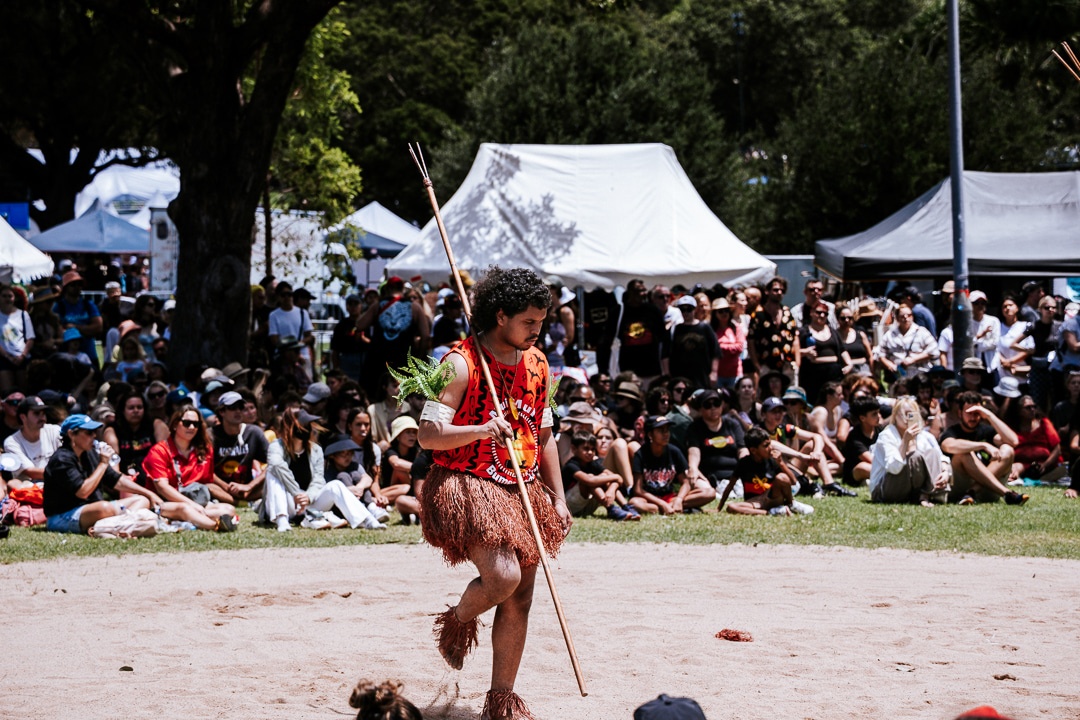
A man in traditional attire performs a cultural dance at an outdoor event. He holds a spear and greenery, with a crowd observing in the background. The atmosphere is festive and engaged.
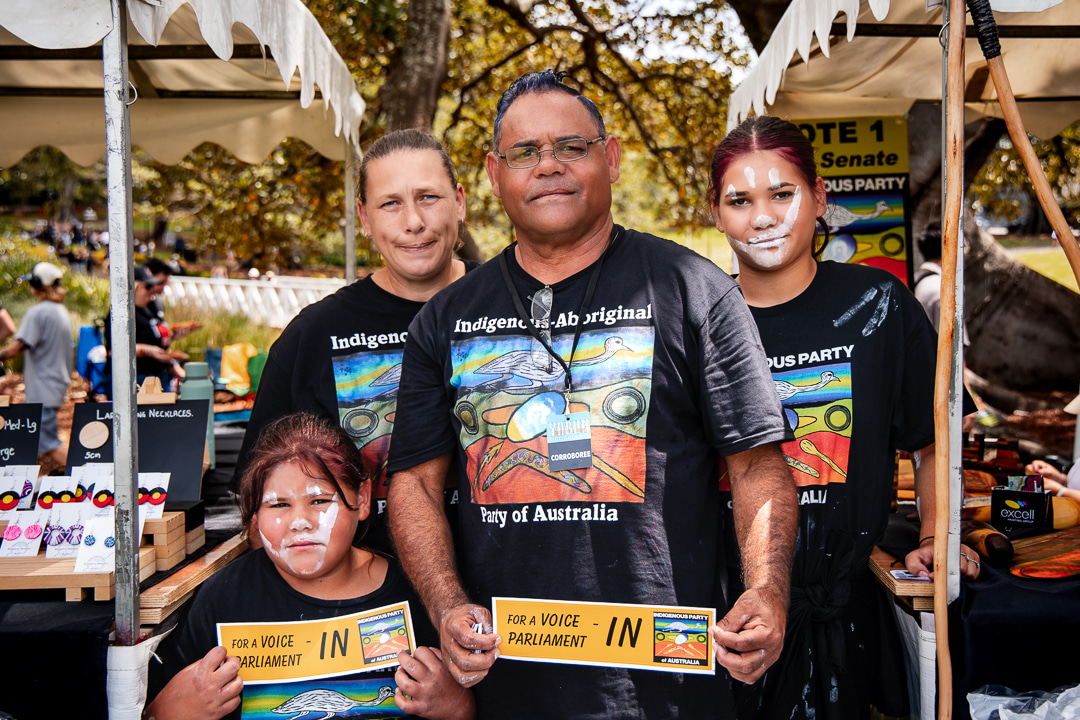
A group of four people, wearing "Indigenous Party of Australia" shirts, stand under a tent, smiling and holding "For a Voice in Parliament" signs.

Real Change, Not Just Symbols

Real Change, Not Just Symbols

Reconciliation must go beyond symbolic gestures — it requires practical outcomes to address ongoing racism and systemic disadvantage.

Reconciliation must go beyond symbolic gestures — it requires practical outcomes to address ongoing racism and systemic disadvantage.

Celebrating Culture

Celebrating Culture

Acknowledging our shared histories and valuing Aboriginal and Torres Strait Islander cultures is essential to our national identity.
Acknowledging our shared histories and valuing Aboriginal and Torres Strait Islander cultures is essential to our national identity.

Celebrating Culture

Acknowledging our shared histories and valuing Aboriginal and Torres Strait Islander cultures is essential to our national identity.

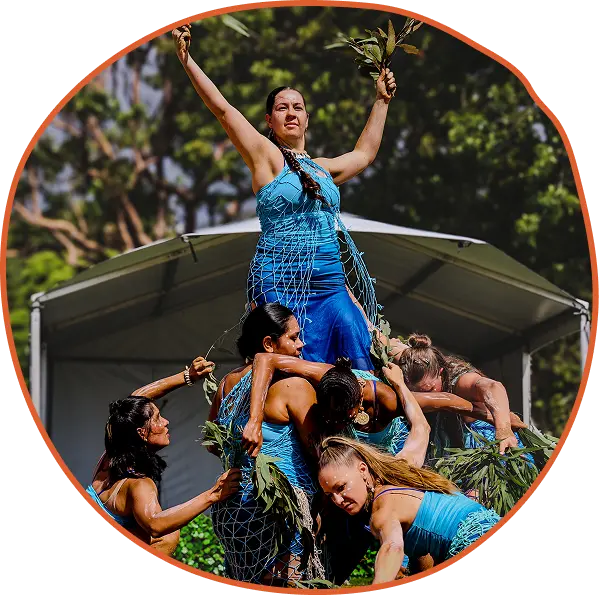
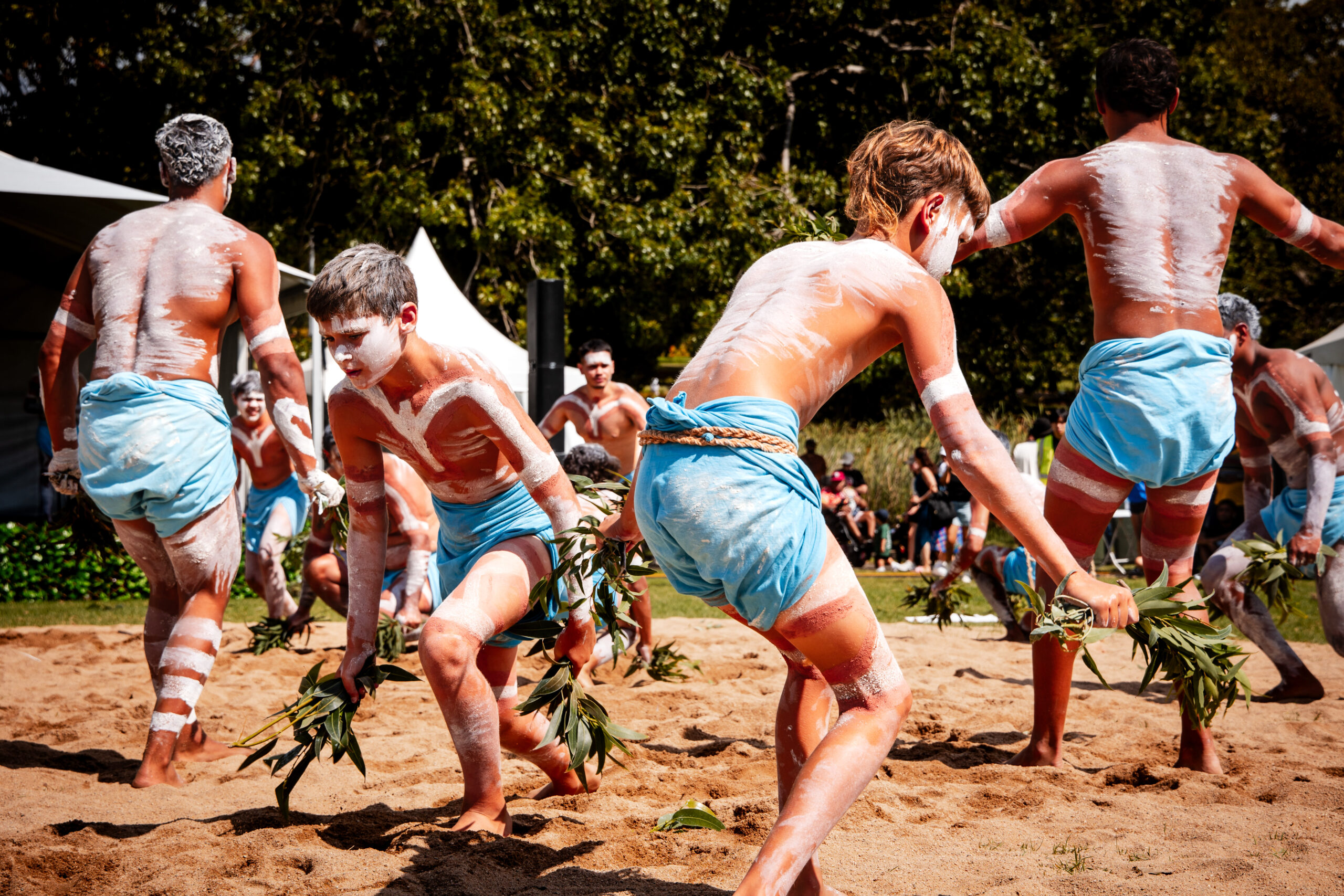
A group of people, painted with white patterns, dance energetically on sandy ground, holding green branches. They wear blue cloths, conveying a joyous cultural celebration outdoors.
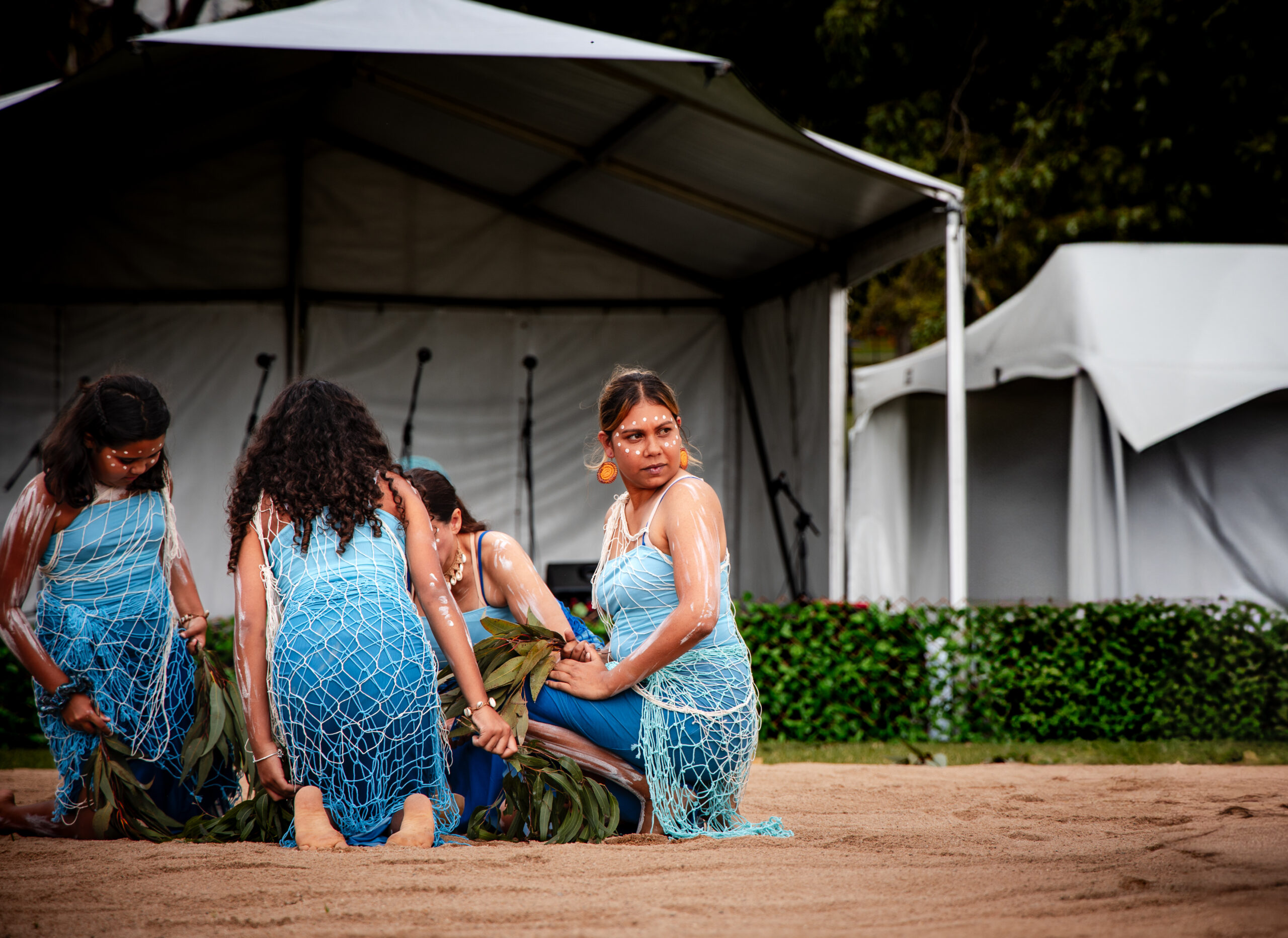
Four women kneel on sandy ground, performing a cultural dance. They wear blue attire with netted overlays and body paint. A canopy and foliage are in the background.

Respect and Trust

Respect and Trust

Reconciliation is built on strong relationships grounded in mutual respect, dignity, and the right to self-determination.

Reconciliation is built on strong relationships grounded in mutual respect, dignity, and the right to self-determination.

A People’s Movement

A People’s Movement

Reconciliation is, and always will be, driven by communities. We honour the evolving conversations and priorities of Aboriginal and Torres Strait Islander peoples across NSW.
Reconciliation is, and always will be, driven by communities. We honour the evolving conversations and priorities of Aboriginal and Torres Strait Islander peoples across NSW.

A People’s Movement

Reconciliation is, and always will be, driven by communities. We honour the evolving conversations and priorities of Aboriginal and Torres Strait Islander peoples across NSW.

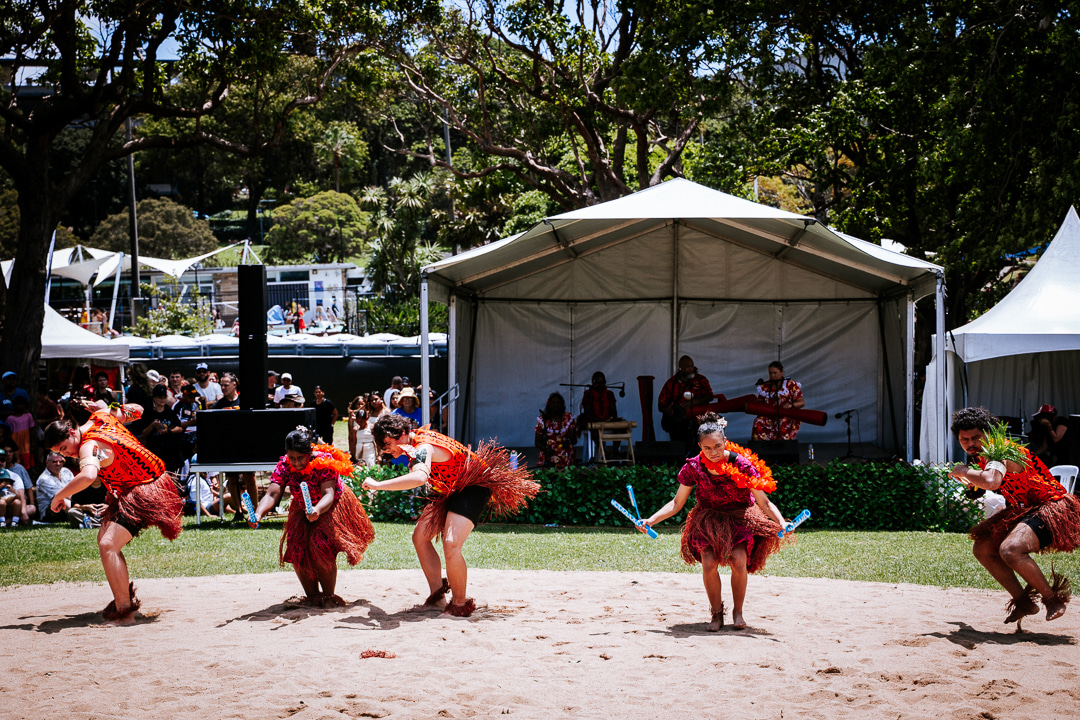
A group of dancers in vibrant red and orange traditional attire perform energetically on a sandy stage, backed by musicians under a tent, with a lively audience and lush trees surrounding them.

Five Dimensions of Reconciliation

Handshake icon in brown against an orange circle background. Sunburst lines above convey agreement or partnership, suggesting cooperation and positivity.

Race Relations

Overcome racism with a positive two-way relationships built on trust & respect.

Circular icon with two figures balanced on a seesaw, set against a mustard yellow background. Symbolizes equality and balance.

Equity & Equality

Renew focus on Closing the Gap with Aboriginal & Torres Strait Islander Australians participating equally & equitably in all areas of life.

Circular icon with two figures balanced on a seesaw, set against a mustard yellow background. Symbolizes equality and balance.

Unity

Australia’s First Peoples cultures & heritage are a valued & recognised part of a shared national identity & recognised in our Constitution.

Icon of a clock with a backward arrow, symbolizing time reversal or history. Set on a gold circular background, evoking a sense of nostalgia.

Historical Acceptance

Widespread acceptance of our nation’s history & agreement that the wrongs of the past will never be repeated.

Two stylized brown open hands facing upwards, set against a round mustard yellow background, conveying a sense of offering or care.

Institutional Integrity

The active support of reconciliation by the nation’s political, business & community structures.

To learn more about each of the dimensions visit
www.reconciliation.org.au/what-is-reconciliation/

Our Board


Joshua Gilbert - Worimi
Indigenous Co-Chair

(he/him)

Joshua is a Worimi man, whose work seeks to connect traditional Aboriginal knowledge and history to current contexts, translating past wisdoms and learning to the opportunities of the future. His work brings together the old and the new, weaving them together to develop new insights and findings.

Joshua's focus is on narrating Indigenous identity through Western agriculture, explaining the pertinent role that Indigenous men and women had in the farming sector across Australia. He pursues this transformation work through modernity, using truth telling and new concepts to acknowledgement of the past.

Josh works at UTS' Jumbunna Institute of Indigenous Research, is studying at Charles Sturt University and is on the boards for Indigenous Business Australia, KU Children's Services and the NSW Aboriginal Housing Office.

Annie Tennant
Non-Indigenous Co-Chair

(she/her)

Originally trained as an architect and with a Masters of Urban Design from the University of California, Berkeley, Annie's primary expertise lies in the spaces between and affected by buildings in the areas of urban design, public space design, sustainability and public art. Annie has developed and nurtured relationships and projects that celebrate Country. As such, she works with development teams, designers, architects, engineers, sustainability consultants and building owners to make their developments, both buildings and public spaces, more engaging, responsive, respectful and appropriate to our culture and our climate.

Annie is currently the Director of Design and Place for Placemaking NSW at the Department of Planning, Industry & Environment.

Nattlie Smith - Wiradjuri
Secretary

(she/her)

Nattlie (Natt) Smith is a proud Wiradjuri woman from Condobolin/Orange NSW and the Branch Manager Strategic Insights, in the Empowerment and Recognition Group of the National Indigenous Australians Agency. She has over 20 years of experience in both government and non-government policy and operational roles across many human service areas.

Natt is committed to making a positive difference through culturally responsive policy development, service design, program implementation, evaluation and analysis. Natt also advocates for the importance of Aboriginal people having a voice in culturally responsive service design, program implementation and the evaluation process and has overseen a number of place-based Aboriginal-led co-design projects.

Joshua Staines - Wiradjuri
Indigenous Director

(he/him)

Joshua is a Senior Policy Officer in Local Government and a Director at Black Duck Foods. Josh is a proud Wiradjuri father living on Darkinjung country on the central coast. Josh has spent the best part of a decade working in local government developing policy and implementing strategic projects. Prior to joining local government, he worked in the Lifestyles Innovation Team at the National Centre of Indigenous Excellence and in the Cultural Unit at KARI (OOHC). Josh invests significant time mentoring Aboriginal young people as well as: facilitating opportunities for on country experiences, supporting elders in land management and bush regeneration projects. Josh is a strong advocate for shared decision making, co-design and Aboriginal Economic Development.

Steven Collins - Pitta Pitta
Indigenous Director

(he/him)

Steven is a Pitta Pitta man, whose traditional lands span a region in Far Western Central Queensland, and is a descendant of the Stolen Generations, with an extensive career in stakeholder engagement, project management, strategic planning, governance and First Nations issues. Steven grew up in a single parent environment, with his mother suffering severe mental health issues and his sister living with a disability, which has motivated him in pursuit of better outcomes for the socially disadvantaged.

Steven is currently the Product Owner Indigenous Community Experience.

Commonwealth Bank. His role is pivotal in breaking down barriers that have traditionally been in place for Aboriginal people seeking to understand, access and engage with the Parliament of NSW.

Steven's key strength is stakeholder management, where he has a track record in facilitating complex discussions to achieve positive outcomes for all parties involved. He has been Advisor to several State Government Ministers and has worked closely with senior government officers, other Ministers and Members of Parliament in pursuit of social policy reform across Aboriginal affairs, disability services, domestic and family violence, and youth.

Jenny Howard
Non-Indigenous Director & Treasurer

(she/her)

Jenny Howard has led major reforms in education, social policy, and community service across NSW. With 20+ years’ experience, she brings strong leadership, deep Aboriginal community ties, and a focus on positive impact. Jenny has worked in government, taught in disadvantaged schools, and now serves on MercyWorks’ Finance, Audit and Risk Committee. She holds multiple qualifications in education and communication.

Dr. Catherine Keenan AM
Non-Indigenous Director

(she/her)

Dr Catherine Keenan AM is co-founder and executive director of Story Factory. Prior to this, Catherine worked for 12 years as an arts writer and literary editor at The Sydney Morning Herald, and has freelanced for publications including The Griffith Review, The Times Literary Supplement, and Good Weekend. She has always been passionate about writing, and holds a doctorate in English Literature from Oxford University. For her work with Story Factory, she was named the 2016 Australian of the Year Local Hero.

David Roberts
Indigenous Director

(he/him)

A Bundjalung man born and raised in Sydney, David Roberts is Director Innovation and Training at the Aboriginal Health & Medical Research Council of NSW. He directs the organisation’s Registered Training Organisation and the broader training portfolio supporting First Nations health and community services. David oversees strategy, curriculum design, compliance and delivery across a wide suite of qualifications and skill sets, spanning primary and public health, leadership, community development and pre-employment pathways.


David leads a team that builds training models with businesses and community-controlled health services. These partnerships inform culturally safe curricula and place-based delivery that support on-the-job capability, continuity of care and community leadership. He works with partners including NACCHO, AMSANT and Apunipima on tailored cohorts and workforce development projects.


Before his current role, David served as Director of AH&MRC Training and held earlier roles leading strategic partnerships and training services. From 2018 to 2022 he worked at TAFE NSW as Senior Manager Aboriginal Engagement, following more than a decade as Manager of Aboriginal Education and Training where he oversaw community and vocational education initiatives. Earlier in his career he worked in Aboriginal Education and Employment Services, focused on workforce participation and culturally informed education.


David holds a Bachelor of Education in Adult and Community Education and Aboriginal Studies (UTS) and a Graduate Certificate in Management (Charles Sturt University). His experience across training delivery, partnerships, and organisational leadership reflects a sustained commitment to culturally safe, community-driven vocational training for stronger First Nations health outcomes.

Liz Potter
Non-Indigenous Director

(she/her)

Liz Potter’s expertise lies in the translation of complex social, environmental and cultural priorities into practical strategies that achieve legacy for communities and organisations. Liz’s network of relationships across community, business and government has developed through roles in sustainability, public affairs, issues and crisis management, community engagement, social impact and First Nations partnerships.

Elley Blacklock
Non-Indigenous Director

(she/her)

Elley is a proud Ngarabal, Nucoorilma and Biripi woman. She has held senior executive and strategic leadership roles across NSW Government, Aboriginal Community-Controlled, not-for-profit organisations, and the corporate sector. Elley holds qualifications in Social Work and a Master of Indigenous Business Leadership, and brings deep, longstanding connections with Community and First Nations leaders that ground her values-driven leadership. we are so thrilled to be welcoming Elley’s experience and her passion for reconciliation.


Our Staff


Carly Bush
Interim Chief Executive Officer

(she/her)

Carly Bush stepped into the role as CEO in July August 2024, with two years on the Board and over 20 years of experience in corporate finance and philanthropy, Carly has a wealth of expertise in strategic planning, diversifying funding portfolios, and leading high-performing teams.

Her deep commitment to the reconciliation movement and amplifying First Nations voices has guided Reconciliation NSW through a significant period of change and dynamic period of growth and innovation.

Carly is the chair of the Australian Endometriosis Foundation and Director and volunteer lead of Kenyan organisations Mission in Action and One Tribe Mama.

Martina Dittmer-Flachskampf
Operations and Project Coordinator

(she/her)

Martina has extensive administrative and project-management experience overseas. She brings to the role organisational abilities and overview to keep things on track.

Martina is passionate about bringing people together for a unified goal, and hopes to grow and learn in this position from First Nations voices as well as from her teammates.

Tim Overland
Volunteer Local Reconciliation Group Liaison

(he/him)

As our Volunteer Local Reconciliation Group Liaison, Tim plays a vital role in strengthening the connection between grassroots reconciliation efforts and the broader reconciliation movement in NSW. Acting as a key representative of Reconciliation NSW, he supports Local Reconciliation Groups (LRGs) by fostering communication, listening to their needs, and ensuring their voices are heard.

A long-term volunteer with RecNSW, Tim helps empower local groups to drive meaningful reconciliation initiatives in their communities, ensuring a stronger, more connected movement across NSW.

Tiffany Martinovic
Finance Officer

(she/her)


Tiffany has nearly a decade of experience in financial management across a variety of industries. She now applies the skills she’s developed to pursue her
passion: helping ethical and not-forprofit organisations grow in sustainable, impactful ways.

Tiffany keeps the finances running smoothly so the team can focus on building a more just and equitable future. She is committed to her support work that centres First Nations voices and helps strengthen reconciliation in practical, meaningful ways.

Our Partners

Reconciliation NSW is eager to partner with organisations to deliver our programs and develop new work.

Partnership/sponsorship agreements and benefits are tailored to suit the level of support and organisation’s desired outcomes, starting from: $5,000. We can also tailor sponsorship packages which include a combination of financial and in-kind components.

By collaborating with us to achieve successful delivery of our strategic projects, you will be contributing to a reconciled, just and equitable community for Aboriginal and Torres Strait Islander peoples and other Australians in NSW. Reconciliation NSW’s projects, events and services are funded from a variety of sources including association memberships, philanthropic support and the valuable and significant financial support of our Partners. Our Project Partners are steadfast in their commitment to reconciliation.

The benefits for organisations partnering with Reconciliation NSW Include:

  • Alignment with the commitments set out in your Reconciliation Action Plan
  • Opportunities with a range of different people and organisations drawing on their innovation to build your social license to operate
  • Engagement and connection with like-minded organisations enabling a useful network for the future and enhancing your prospects of creating collaborative partnerships
  • Capacity to support NSW Aboriginal and Torres Strait Islander communities by establishing meaningful contacts and relationships with key community contacts
  • Transformative lived experiences to foster a workplace which celebrates:
    Staff diversity and resilience/retention
    Cultural awareness and the application of competence
  • Diverse and resilient supply chain development
  • Elevated reconciliation activity success
  • Elevated reconciliation status

Please email us HERE to discuss partnership possibilities.

Thanks to our partners

Reconciliation NSW would like to sincerely thank our Partners who have been steadfast in their commitment to reconciliation in NSW, collaborating with us to deliver strategic projects that support, educate and inspire the people of NSW to engage deeply in reconciliation:
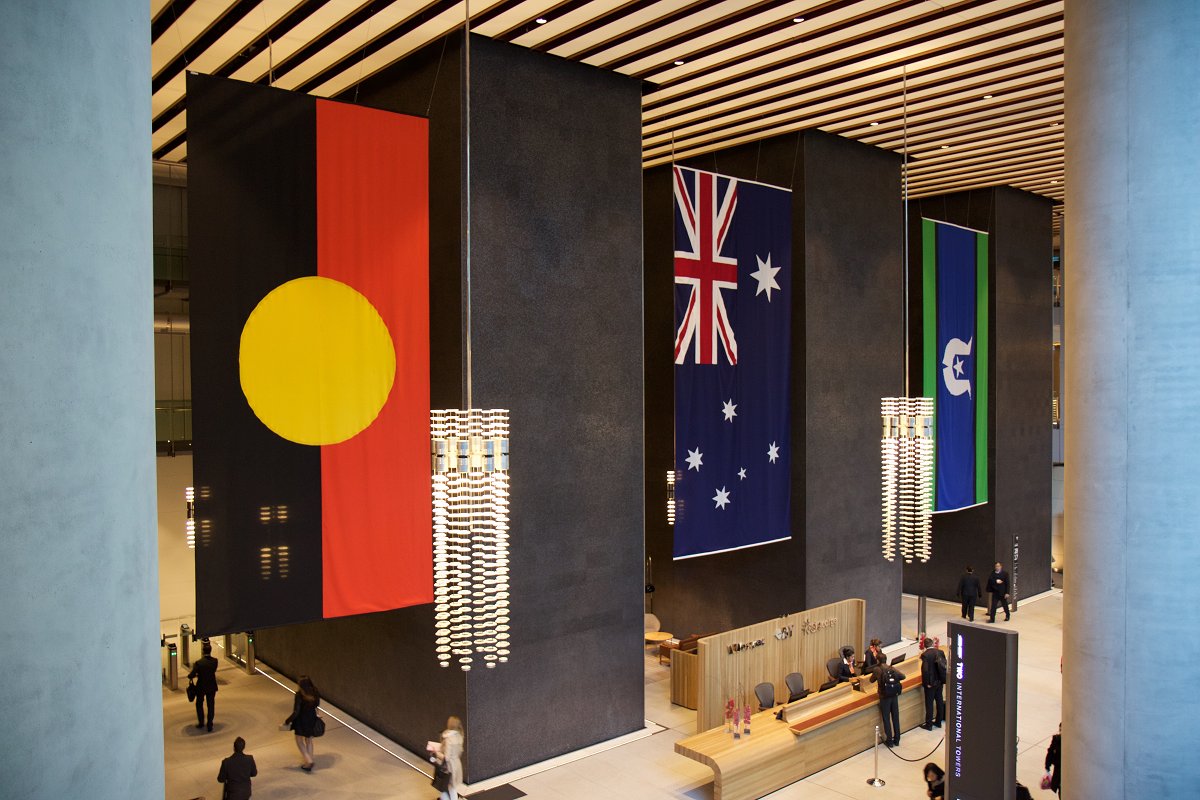

“We are honoured to partner with you and support such a special initiative. The children are our future, the more we can do encourage their story telling of a history we are proud of and celebrate, dream and live for the future. The reach of the event was extraordinary, congratulations to all who assisted in generating those connections in such a short time frame.”

Liam Timms – International Towers, Barangaroo
School Reconciliation Challenge sponsor since 2020.
www.internationaltowers.com


Turks logo